

Wood Burning Fires Need to Be Hot and Clean
Wood burning fires are not just a relaxing and enchanting experience they're also a vital aspect of our health and wellbeing. But, they have to be hot and clean to function effectively.
Green wood, also known as unseasoned wood has an excessive amount of moisture which makes it difficult to ignite and burn efficiently. The seasoned, or kiln dried wood has low moisture content and is more easy to light and burn for longer.
Efficient Combustion
The fire in the wood must be hot enough to eliminate moisture and reach temperatures over 540 degrees F. 900 deg F in ideal conditions) at which the secondary combustion process starts. This is the most important step in efficient combustion of fuel and minimizing pollutants and smoke in the flue.
It is crucial to understand that the temperature required for secondary combustion is contingent on the kind of fuel used and the surrounding conditions. The best method to reduce the variations is to use seasoned firewood with less than 20 percent.
Additionally, the amount of air that is supplied to the fire can greatly affect its heat output and burn time. The more oxygen available, the more hot the fire will burn. A wood fire produces less energy and burn at a slower rate when the air supply is slowed.
To ensure maximum burn time and efficiency, a wood stove or fireplace insert should be equipped with an adjustable air damper. A wide open setting allows the fire to burn through all the oxygen available and quickly exhaust the fuel available for use. A fire that is contained in a small space is less likely to spread.
A firewood pile that is well-dried is also crucial for efficient wood burning. When wood is freshly cut and hasn't had a chance to dry out, it will have high water content, which can be difficult for logs to burn. It is recommended to use only wood that is seasoned and has been stored outdoors for between six and nine months for the best performance.
The BTU content of wood is another aspect to take into consideration. For example white pine or spruce trees may be less expensive than eastern hardwoods such as black locust and shagbark hickory, however, the BTU values of the latter are higher, which means they offer more heat for the same amount of wood. This is why it's crucial to take into consideration your heating requirements and fuel costs when selecting your firewood.
Clean Burning
Wood smoke can create indoor air pollutants, which can irritate lungs and cause respiratory discomfort in senior citizens and children. These pollutants include volatile organic compounds (VOCs) such as benzene and formaldehyde, and polycyclic aromatic hydrocarbons, such as benzo-a-pyrene, which are carcinogenic. When wood is burned, volatile tars such as creosote are also released.
Smoke from poorly designed wood stoves and fire places could cause poor air quality outside by decreasing visibility and causing photochemical pollution. However, new clean burning fireplaces and wood stoves with modern combustion technology, when properly used can drastically reduce the emission.
Stage 1 - Moisture vapourizes: As the log gets heated, it releases water vapor, which escapes through the chimney flue. This takes more energy than if the log had been dried before burning. This is a waste of energy that could be used to heat your home.
In the flue, these vapors combine with carbon particles to form smoke. Smoke is among the main sources of particulate matter and smog in the air.
If properly used Wood stoves and fireplaces using clean burn technology can reduce the problem by burning the logs into a charcoal-like state, which releases less volatile gasses and generates the majority of energy from the logs as usable heat.
Avoid using damp, sour or rotten wood to ignite your fire. It is more difficult to burn and generates more creosote. Don't overload the stove with thin and soft woods like pine or fir. They require more energy to burn and produce more smoke, which can cause chimney fires.
Always wait until the ashes are cool before handling them. Be sure to keep them in a safe place or dispose of them correctly since ashes could ignite if exposed to water, and they pose a risk in landfills. Instead, make sure to utilize them in your garden or at the house.
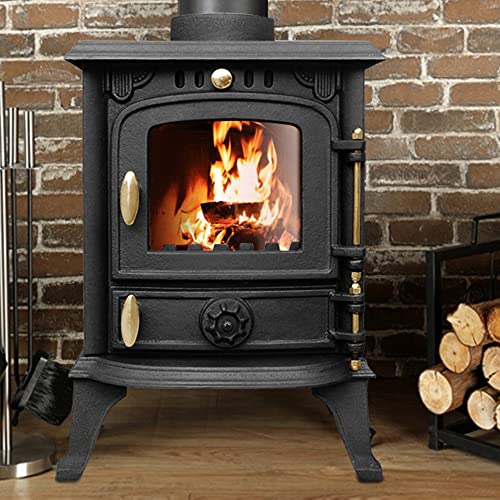
Properly conserving, securing and burning your wood properly will save you money on fuel and ensure that your stove is functioning efficiently. It is also crucial to regularly clean your chimney to get rid of creosote and other particles, as well as prevent chimney fires and maintain the safety of the operation.
Safety
There's nothing like a cozy fire to keep warm during cold winter nights, but the right safety precautions are required. When fires are built incorrectly or left unattended, or if they are burned and a dangerous gas can be released into the home. Creosote can also build up in the chimney. These deposits can clog up the chimney and restrict the flow of air, making your wood stove or furnace to not work as effectively.
Never burn painted or treated wood, household garbage, rags, paper and other combustible materials inside your wood-burning fireplace or stove. They release toxic fumes such as carbon dioxide and produce toxic gasses. Avoid using liquids that are flammable as a starter. Gasoline, lighter fluid, and kerosene may cause chimney fires, increase emissions, and create toxic creosote.
Keep combustible materials like furniture, curtains and toys away from your fireplace or stove. Don't hang clothes near your wood burning fireplace. Make sure your children are aware that the fireplace is extremely hot and should not be touched.
Only use seasoned wood for your fireplace or stove. The wood that is seasoned has been dried out over the summer months to decrease moisture. Wet woods produce more smoke and creosote. On the other hand, the wood that has been seasoned is more efficient and clean. The wood that has been seasoned is darker and has cracks along the ends of the grain and makes a hollow sound when you tap it. Keep woodburning fireplace , neatly stacked with the top covered but permitting air circulation around them.
The appliances that are overloaded generate more smoke and less warmth. Overloaded fires can also generate unsafe carbon monoxide levels. If you have an older appliance with an insulated metal liner, check the liner frequently for signs of wear and tear that can cause an explosion in the chimney.
The EPA recommends reducing smoke in your home by using dry, split, and well-seasoned wood, and then constructing a warm fire using small pieces. Avoid using softer woods like pine, which are good for starting your fire going, but should not be used for anything more than. These softer woods contain sap and resin, which burns, if burned, will create large amounts of creosote into the chimney.
Maintenance
A warm fire in a wood burning fireplace is the perfect way to enjoy the cold winter nights. It is crucial to maintain your fireplace in order to ensure that you receive the maximum benefit from your fire. Regular cleaning and inspections of your fireplace can help you avoid any issues. This maintenance helps prevent excessive creosote buildup and ensures that the chimney is clean to ensure maximum efficiency.
If the wood doesn't fully burn it forms creosote in the chimney. If a significant amount of creosote is accumulated, it can trigger chimney fires, which are the second leading cause of house fires in the United States. The inability of a fire to fully burn is caused by a variety of reasons such as dampers that are not properly sealed or cracks in the liner of the chimney as well as a lack of regular cleaning and removal of ash.
Wood that is not properly seasoned can cause the accumulation of creosote to an excessive degree. This is due to the fact that up to half of the weight of a piece of wood is water. The water is heated during the fire and releases heat. It also consumes energy. The resulting water vapor is then condensed into creosote or released into the air as part of the smoke.
Soot is another noxious product of burning wood. Soot is softer than creosote. However, it can cling to the walls of your fireplace and block air flow. It is also an ignition hazard since it easily ignites when exposed to gases that are combustible.
You should remove the ashes and store them in a metal ash container that you can keep outside on a non-flammable surface. The ashes can also be used as a source of nutrients for plants So don't forget to spread them out across the yard!
Make sure you make sure that your chimney and fireplace are checked by a Regency Dealer Certified. The technician can look for cracks, creosote and soot levels as well as a properly shut damper and the condition of the catalyst. If you have a two-stage chimney that includes an air tube, the catalyst should be removed and checked visually for blockages. Check your user's manual to learn how to do it for your fireplace.